
The Sabbath: From Creation to Eternity
The Sabbath is not just a Jewish institution - it was established at Creation, before sin, before there were any Jews, and it will continue throughout eternity.
CREATION: Genesis 2:2-3 tells us that God rested on the seventh day, blessed it, and sanctified (made it holy). This was before the fall of man, establishing the Sabbath as part of God's perfect creation.
THE TEN COMMANDMENTS: Exodus 20:8-11 commands us to "Remember the Sabbath day, to keep it holy." This commandment begins with "Remember" because God knew we would forget. It points back to Creation as the reason for Sabbath observance.
JESUS AND THE SABBATH: Jesus kept the Sabbath (Luke 4:16). He said He is "Lord of the Sabbath" (Mark 2:28), not that He abolished it. He said, "If you love me, keep my commandments" (John 14:15).
THE APOSTLES: The book of Acts shows the apostles keeping the Sabbath long after the resurrection (Acts 13:14, 42-44; 16:13; 17:2; 18:4).
THE CHANGE: History shows that the change from Sabbath to Sunday was gradual, influenced by anti-Semitism and the desire to be different from the Jews. The Council of Laodicea (364 AD) officially forbade Sabbath observance and commanded Sunday rest.
THE NEW EARTH: Isaiah 66:22-23 prophesies that in the new earth, "from one Sabbath to another, all flesh shall come to worship before Me, says the Lord."
The Sabbath is a sign of creation, redemption, and sanctification. It's a weekly reminder that God is our Creator, Savior, and the One who makes us holy. It's a gift of time with God, a foretaste of eternal rest.
The question is not "Which day is most convenient?" but "Which day did God make holy?" The answer is clear: the seventh day, Saturday, is the Sabbath of the Lord.
Continue Your Journey
 📄 Article
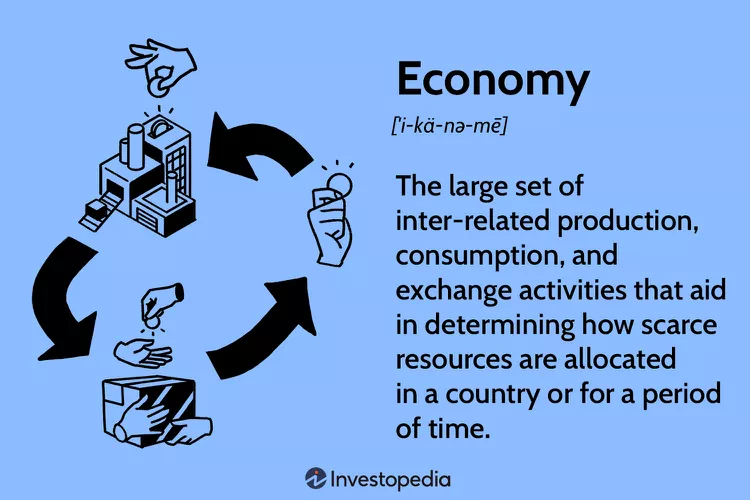
The Two Economies: Why One Builds Freedom and the Other Builds Slaves
 📄 Article
The Animalization of Man: Why Empires are Called Beasts in Prophecy
Biblical prophecy warns of a time when the sacred boundary between man and beast becomes perilous...
 📄 Article
The Man Who Created the Economy
The Man Who Created the Economy: Tracing the Foundation of Scarcity and Competition Greetings!...
 📄 Article
The Founder of the Modern Day Human Control Systems
We’ve all felt it: that nagging sense that we are sprinting on a treadmill designed by someone ...
 📄 Article
Are We Living in the Last Days? The Signs Are Clear
Jesus said, "When you see all these things, know that it is near - at the doors!"
 📄 Article